What Returns Year After Year
Growth is becoming steadier and more self-sustaining, and plants are returning in places where they’ve previously taken root. Nettles, mushrooms, berries, and fruit trees are beginning to provide with little intervention, while the more delicate annuals continue to be tended closer to the Farm House.
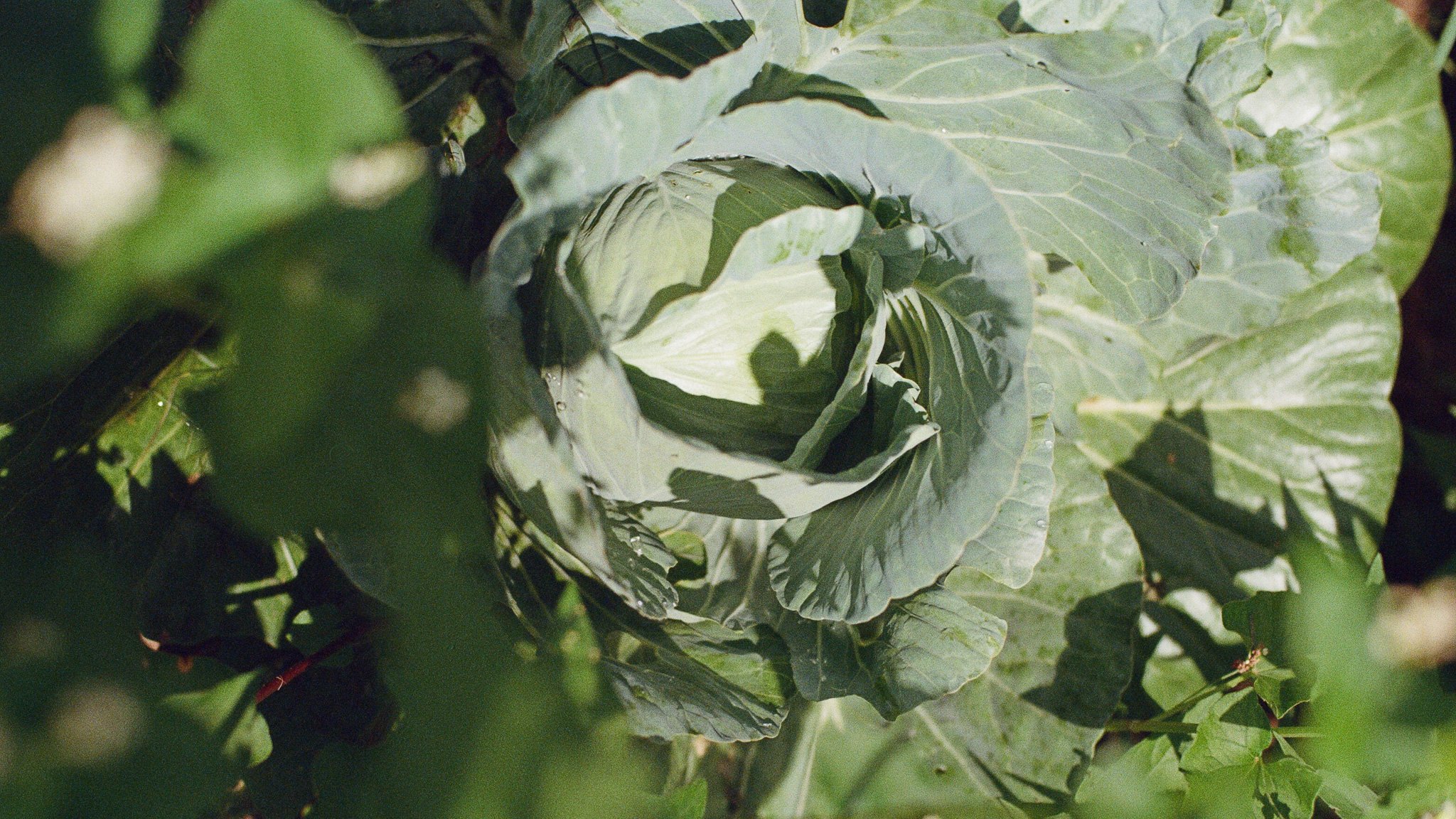
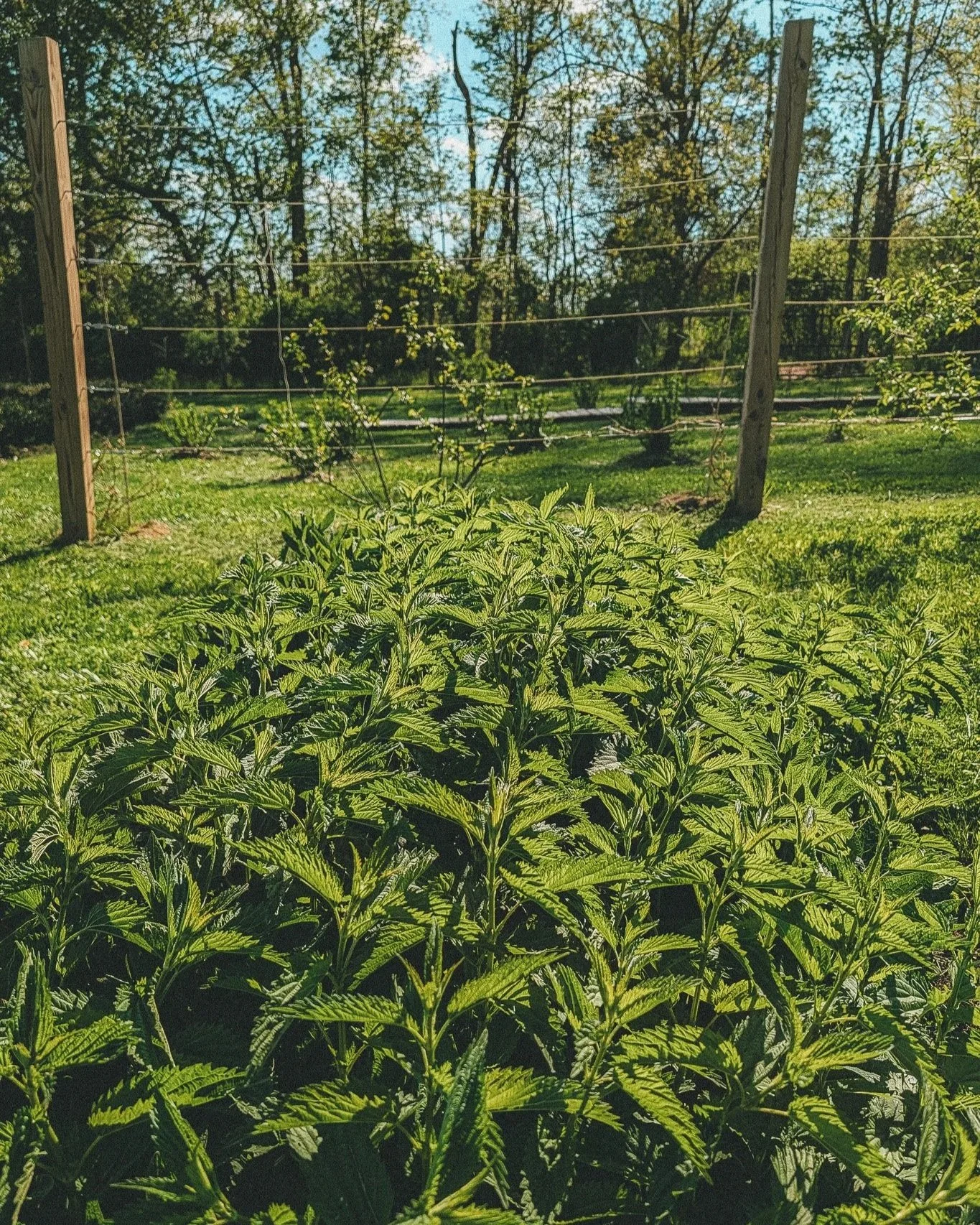
At this point in the season, some of the strongest growth on the farm comes from what’s already established. Nettles return along the edges of the Heritage Trail tree line, mushrooms emerge after rain, and perennial crops begin to fill in with less intervention than the annual gardens require.
Because much of the community garden is not irrigated, we’ve been focusing more heavily on perennial systems, building toward a landscape that can sustain itself more naturally over time. Seabuckthorn, raspberries, strawberries, and fruit trees are all becoming part of that longer-term structure, providing us with food while asking less of the land (and its stewards) season after season.
Closer to the farmhouse, the kitchen gardens remain more intensive and delicate, with greens, herbs, and annual vegetables requiring daily attention as they move into early summer. Together, the two systems support each other, balancing cultivation with what already wants to thrive here.
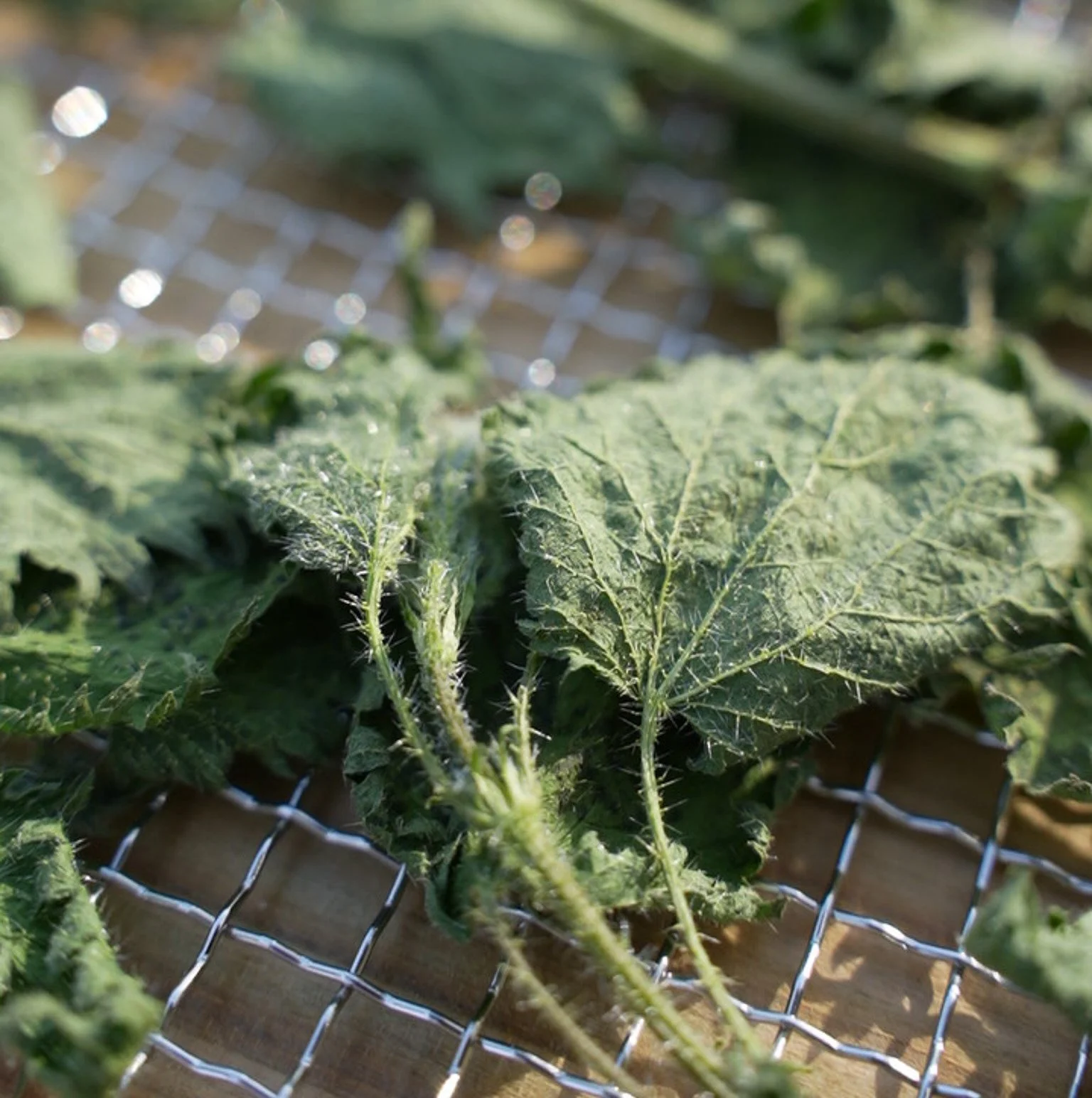
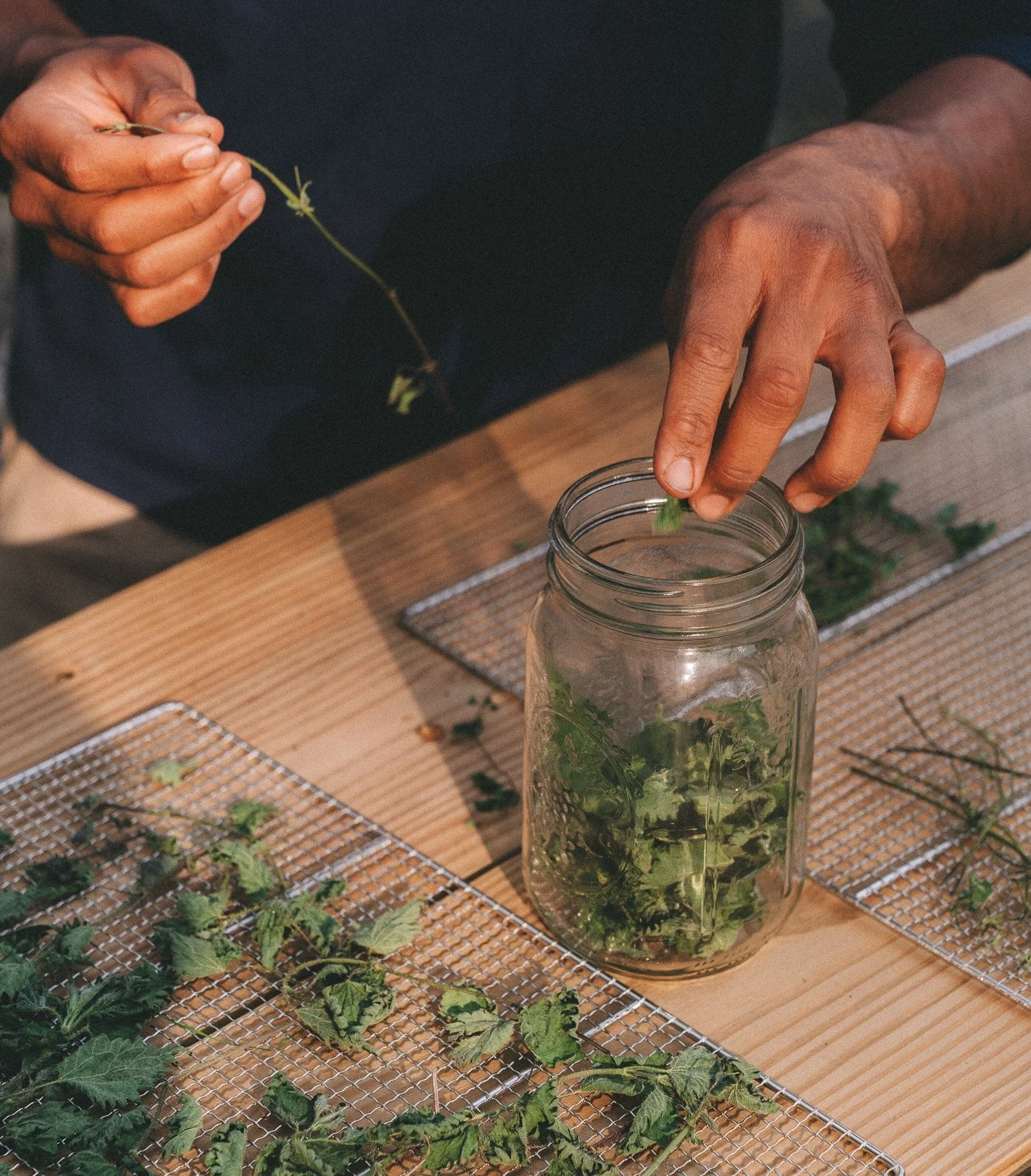
Nettles are moving through the kitchen right now, from freshly brewed tea to a green pasta sauce paired with gemelli from our friends at Castle Valley Mill. Long valued medicinally as a deeply nourishing spring plant, nettles are rich in minerals and have traditionally been used to support the body through seasonal transitions. They’re one of the first perennial foods ready to harvest each year, growing steadily along the edges of the farm with very little intervention. This time of year, the kitchen begins to shift alongside the landscape, cooking from what naturally comes back on its own.