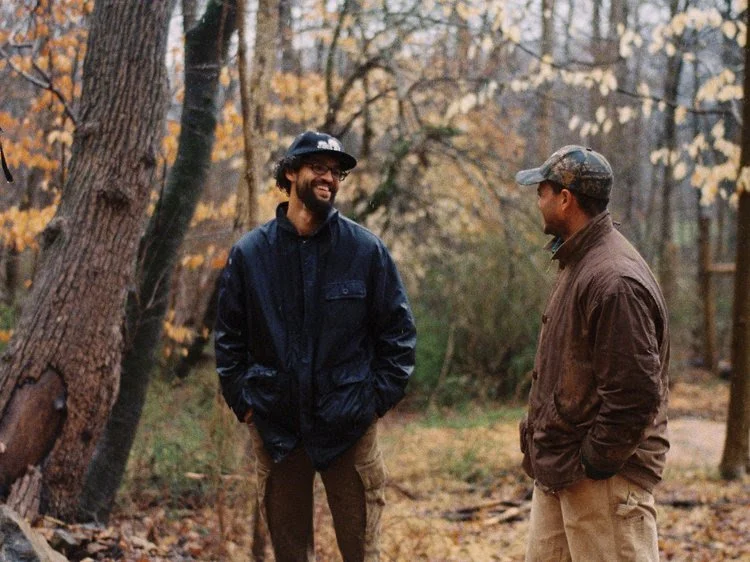
Preparation Before Bloom
Though winter still defines the landscape, moisture is beginning to work its way into the soil. In this window before bud break, we focus on preparation, pruning trees, tending dormant systems, and setting the direction for the season ahead.

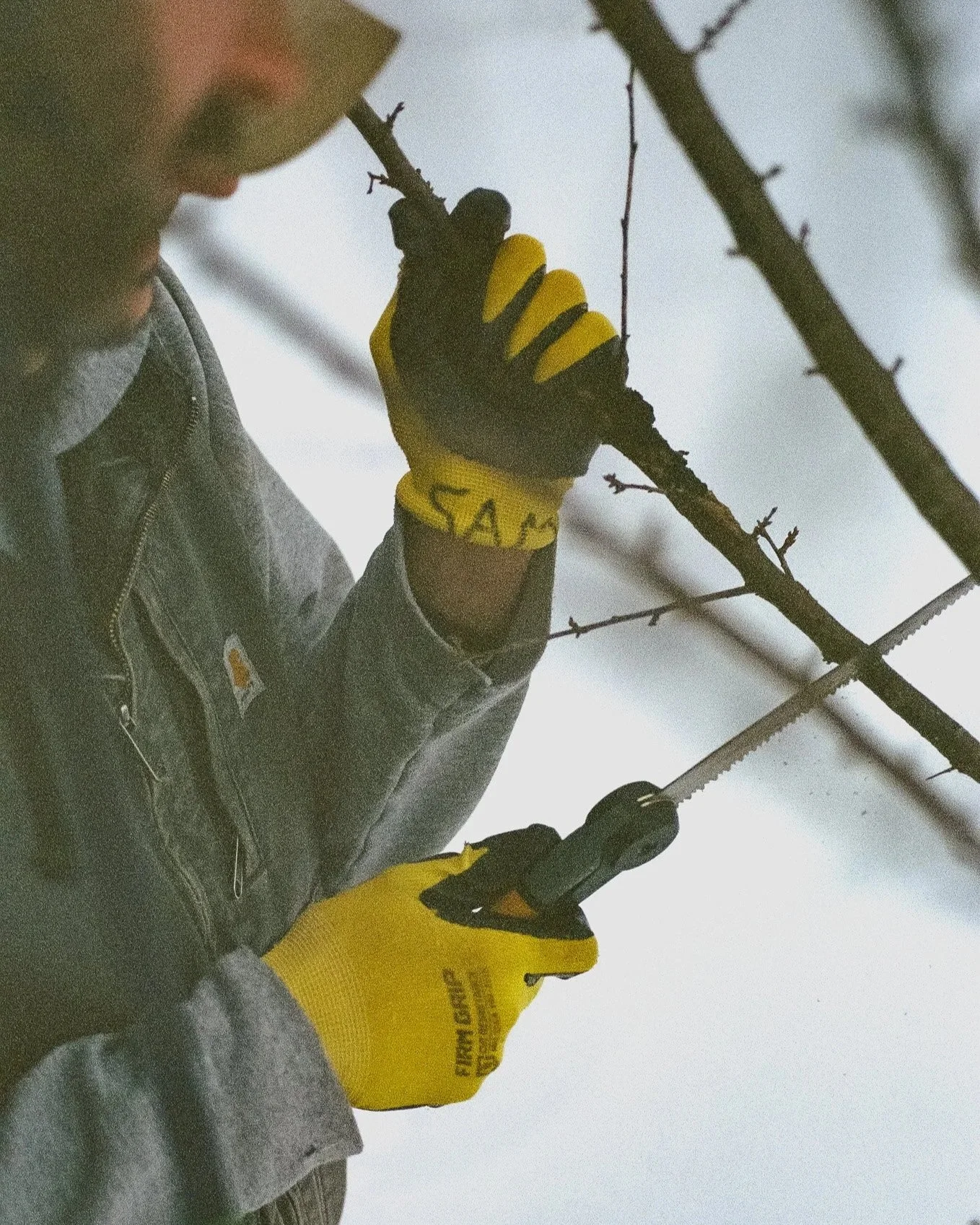
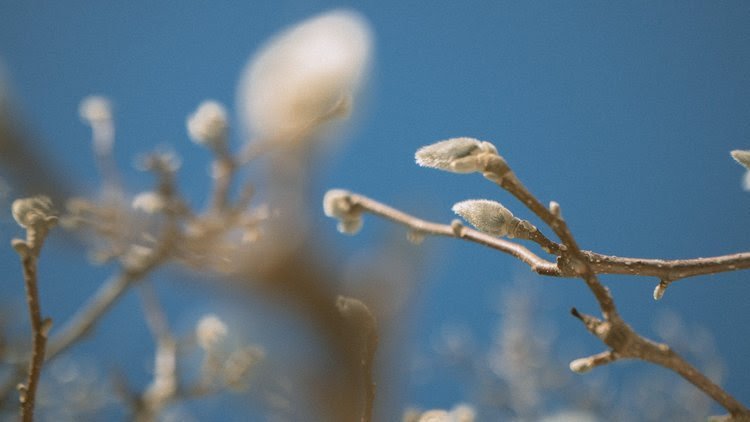
Late winter (after the deepest cold has passed but before bud break) is the primary pruning window for many orchard trees. Working while the trees are still dormant allows us to remove what’s damaged or diseased and shape their structure for the season ahead. Each cut influences how the tree will grow. As our arborist, Sam G., prunes the young plum trees in the Community Garden, he reminds us that growth will happen regardless; pruning is about directing that growth wisely.
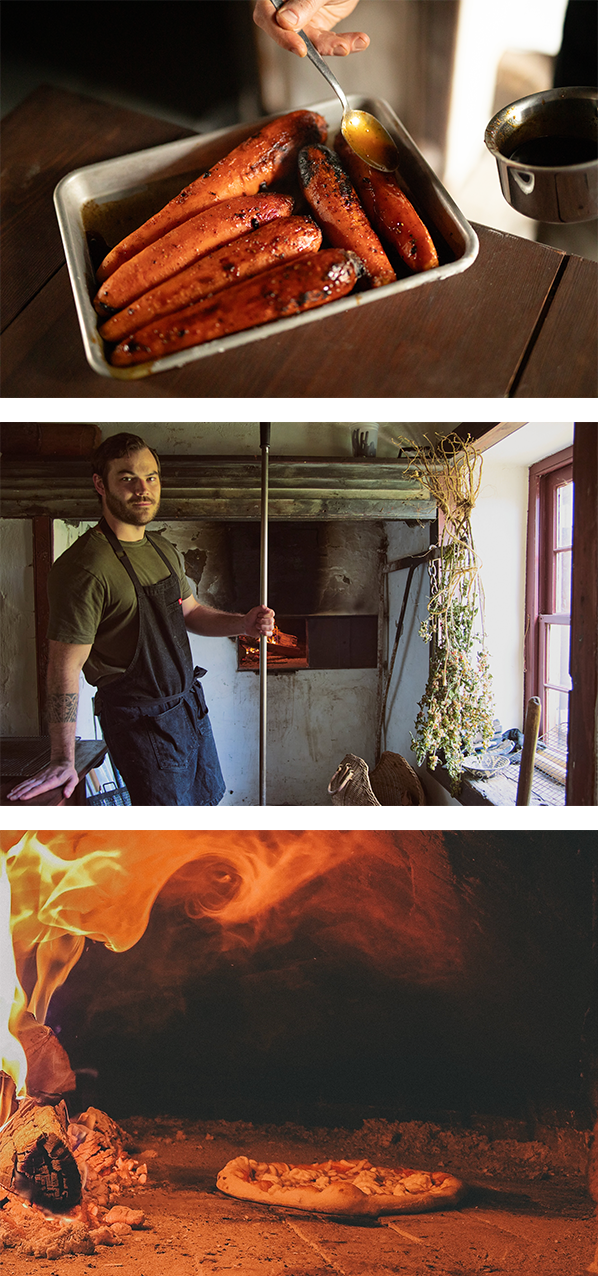
Pruned branches don’t leave the system when they can be used to heat it. Wood from winter pruning feeds the flames in the squirrel tail oven, closing the loop between field and kitchen. Fire and smoke shape much of what we cook at the farmhouse, and the meals reflect that circularity. It’s important to use what the farm produces to carry the season forward.
Some recent dishes from Chef Chris’s menus, cooked in the squirrel tail oven (dating back to the 1760s), include:
Nduja Baked Potatoes
Gold potatoes baked in the wood-fired oven, dressed with brown butter and nduja, finished with chives and flake salt.
“BBQ” Carrots
Whole carrots, peeled and slowly cooked in embers, lacquered in the wood-fired oven and dressed in a peppercorn sauce, finished with their fried skins.
Caramelized Cabbage
Salt-rubbed Caraflex cabbage roasted whole in embers, served with brown butter and its own juices, finished with crunchy sunflower seeds and herbs.
Heirloom Polenta
Toasted in the oven to draw out the rich nuttiness of heirloom cornmeal from Castle Valley Mill.

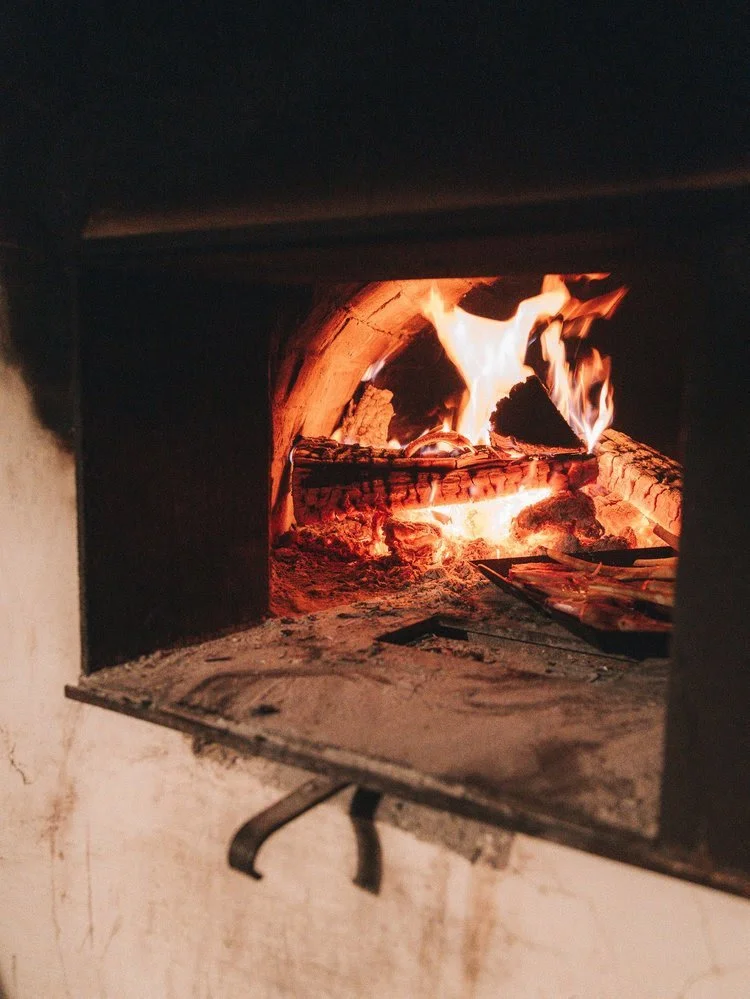
This short sound meditation was recorded at the squirrel tail oven, capturing the sound of fire built from pruned branches. A moment of warmth and continuity in late winter, as the farm prepares for the growing season ahead. Let it warm you!