Before Spring Turns to Summer
End of Spring turning to Early Summer brings a different kind of activity to the farm. Much of what has been growing quietly now begins to reveal itself, from newly hatched insects to garlic scapes being harvested for the kitchen. The landscape feels full, not because it has changed overnight, but because Spring’s hidden work is becoming visible.
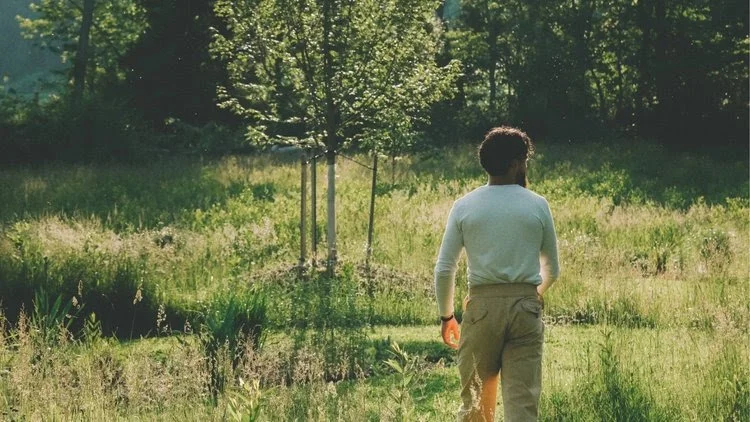
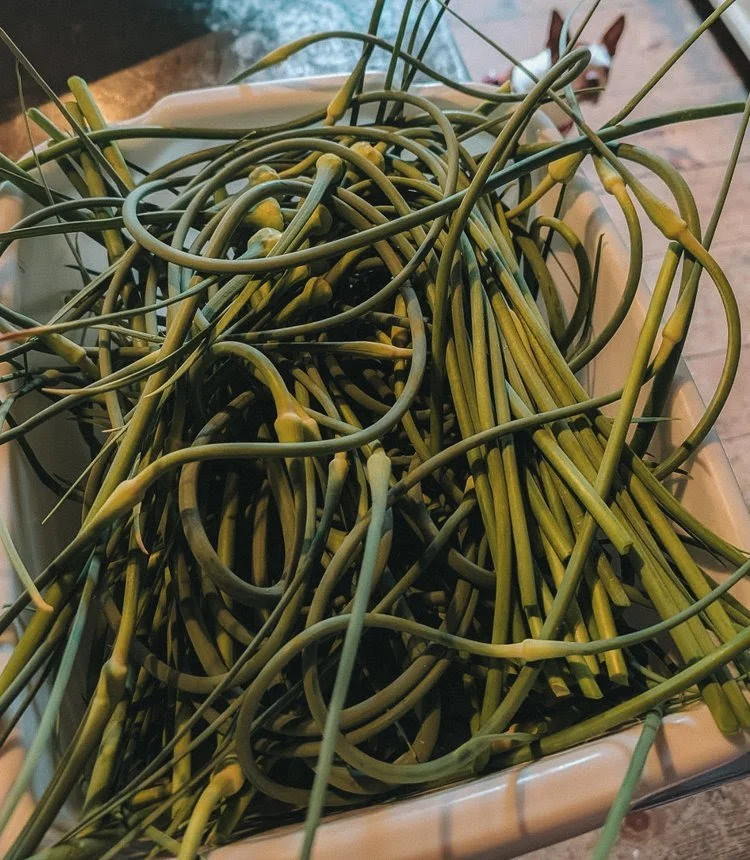
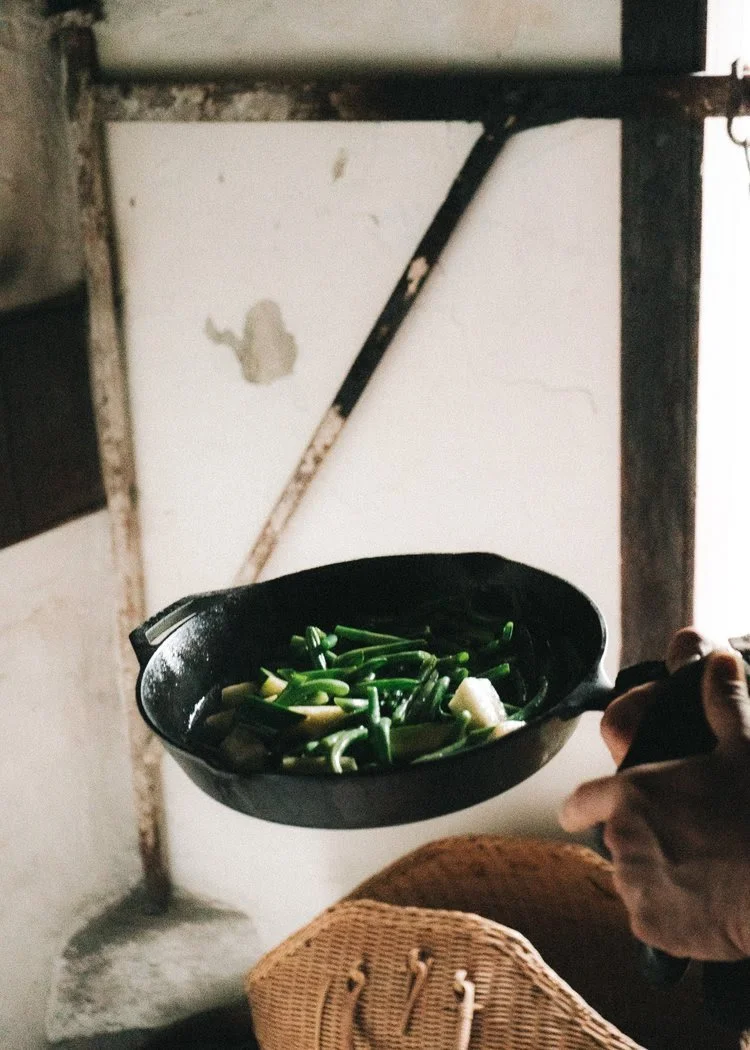
We're finishing the last major spring planting in the kitchen garden and harvesting the remaining garlic scapes before they give way to summer crops. Across the farm, the season is shifting from preparation to production, with both cultivated and wild systems beginning to show the results of months of growth.
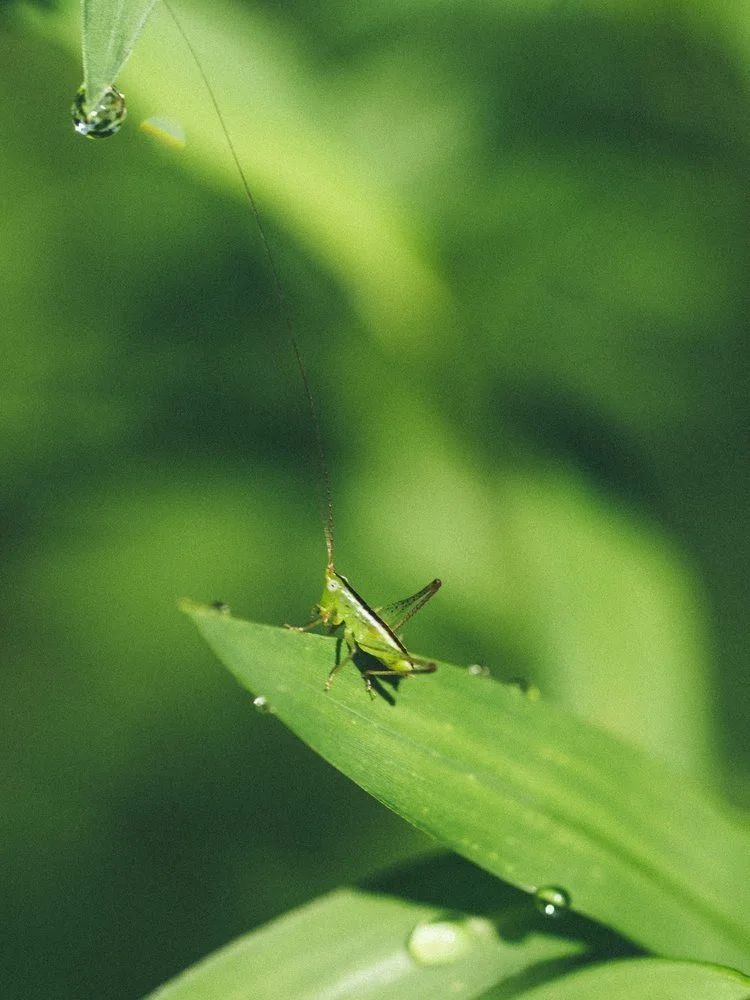
As the farm matures into Summer season, we're seeing more beneficial insects take up residence throughout the farm, like praying mantises, native pollinators, fireflies, and countless other insects that rely on diverse habitat and healthy soil to complete their life cycles. Many spend months hidden underground in grasses or attached to branches before emerging in early summer. Their presence is one of the clearest signs that ecological systems are becoming more healthy and established.
Of course, not every insect is a welcomed sign. This time of year also brings increased presence of aphids and other garden pests, especially in the kitchen garden where young plants can be vulnerable. Rather than reaching for store-bought synthetic sprays, we're experimenting with simple regenerative solutions by making a fermented tomato leaf extract. Because tomato leaves contain alkaloids that aphids dislike, this spray can help deter aphids while allowing beneficial insects to continue doing their work.
As the landscape fills in, stewardship at Bloom means learning which relationships need tending and which can be left to unfold on their own.
Nettles are moving through the kitchen right now, from freshly brewed tea to a green pasta sauce paired with gemelli from our friends at Castle Valley Mill. Long valued medicinally as a deeply nourishing spring plant, nettles are rich in minerals and have traditionally been used to support the body through seasonal transitions. They’re one of the first perennial foods ready to harvest each year, growing steadily along the edges of the farm with very little intervention. This time of year, the kitchen begins to shift alongside the landscape, cooking from what naturally comes back on its own.

Late Spring meets Early Summer at Bloom, with gatherings that bring together food, agriculture, and community across the Oley Valley. We're especially excited for the upcoming Tree Crops Dinner at Third Place Processing on June 13, an evening celebrating the growers, processors, chefs, and food makers helping shape the future of tree crops in PA. Featuring regional ingredients sourced through Local Bound and oils pressed in the Oley Valley, the dinner is designed as a place to connect, share ideas, and build relationships across the food system.
Looking ahead, we'll also be welcoming guests for Bountiful Oley: A Women's Exploration of Regenerative Food Systems with Leigh Cooper Swisher, Heritage & Harmony: Yoga & Matcha Experience with Kent Ishimoto and Yoshitsugu Nagan, and the Santé Summer Residency with Daniel Solway and Alessandra Bonafide. We hope you'll join us for a season of learning, gathering, and spending time in relationship to the land.